

The best sleep supplement depends on your needs, existing diet, medication and preferred night-time routine. For a simple option, magnesium is a popular mineral supplement. A blended sleep powder can combine magnesium with botanicals in a warm evening drink, while valerian is a traditional herbal option. CBD is sometimes included in wind-down routines, although consumer CBD products are not proven or authorised treatments for insomnia. Melatonin is available on prescription only in the UK.
No supplement can compensate fully for an inconsistent sleep schedule, late caffeine, stress or an untreated sleep disorder. If poor sleep is persistent, worsening or affecting your daily life, speak to a GP or pharmacist rather than continuing to experiment with supplements.
This guide compares the main options available to UK consumers, including Cannaray Sleep Wellness Powder, Magnesium Glycinate Capsules and CBD products, without pretending that one product is best for everyone.
1. Best all-in-one evening drink: Cannaray Sleep Wellness Powder
Some people find it easier to build a consistent bedtime routine around a drink than another tablet. Cannaray Sleep Wellness Powder is a sugar-free, chocolate-flavoured powder designed for an evening ritual.
Its formula includes:
-
magnesium glycinate;
-
valerian root extract;
-
reishi mushroom;
-
vitamin B6;
-
vitamin D; and
-
zinc.
This option may suit someone who wants several night-time ingredients in one product and enjoys the cue of preparing a warm drink before bed. That behavioural cue can be useful: repeating a calm routine at a consistent time helps separate the active part of the day from the wind-down period.
The ingredients should still be judged individually. Magnesium supports normal muscle and nervous-system function, but evidence that supplementation improves sleep in people without a deficiency is limited. Valerian has a long history of traditional use, although clinical results for insomnia are inconsistent. Evidence for reishi as a human sleep aid is also limited, so it should not be presented as a proven treatment.
Best for: people who prefer a comforting, multi-ingredient evening drink.
Consider another option if: you already take several vitamins, need to avoid one of the botanical ingredients or prefer a single-ingredient product.
2. Best convenient capsule: Cannaray Magnesium Glycinate Capsules
For a simpler, travel-friendly format, Cannaray Magnesium Glycinate Capsules combine magnesium glycinate with valerian root, vitamin D3 and zinc.
Magnesium is an essential mineral involved in hundreds of processes, including normal nerve and muscle function. “Glycinate” describes the form in which magnesium is bound to the amino acid glycine. It is popular in night-time supplements, partly because it is often considered a practical alternative to forms more commonly associated with a laxative effect.
However, magnesium is not a sedative or an authorised insomnia treatment. Research into supplemental magnesium and sleep has produced mixed results. It may be particularly relevant when someone’s dietary intake is low or a healthcare professional has identified a need, but more is not necessarily better.
Check the amount of elemental magnesium provided by the recommended serving rather than relying only on the larger “magnesium glycinate” weight. Also count magnesium from multivitamins, powders, antacids or other products to avoid accidental stacking.
Best for: people who want an easy-to-use capsule as part of a consistent evening routine.
Consider another option if: you dislike capsules, already use a magnesium-containing powder or take medication that may interact with magnesium.
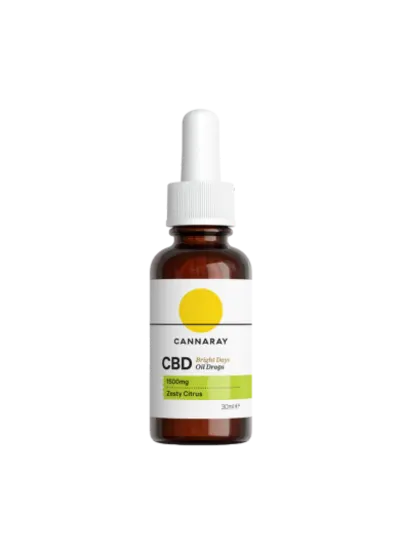
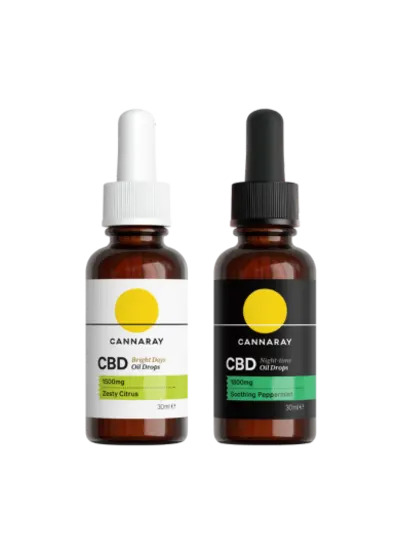
3. Best for an established CBD wellness routine: Cannaray CBD
CBD short for cannabidiol, is a non-intoxicating cannabinoid. Some consumers add CBD oil, gummies or capsules to their evening routine, but current evidence does not establish everyday consumer CBD as a reliable treatment for insomnia.
This distinction matters. Research involving prescribed cannabinoid medicines, high doses or specific patient groups cannot automatically be applied to a CBD food supplement bought online. A Cannaray CBD product should be chosen as part of a general wellness routine, not as a replacement for insomnia assessment or treatment.
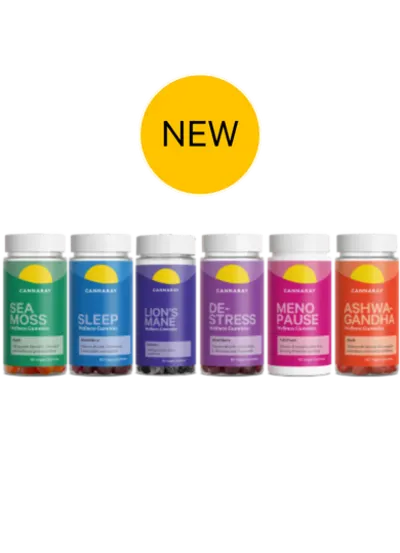
Cannaray offers several formats within its CBD collection, including oils and pre-measured gummies. The brand independently tests its batches and makes its CBD lab reports available online, allowing shoppers to review cannabinoid content and Cannaray’s THC-free standard.
When comparing CBD formats:
-
oils allow the serving to be measured using the dropper;
-
gummies offer a defined amount per piece; and
-
capsules are discreet and easy to add to an existing routine.
The Food Standards Agency currently advises healthy adults to limit CBD from all food and supplement sources to 10 mg per day in total. This total matters if you combine more than one CBD product.
Best for: adults who already understand CBD and want a measured, independently tested product within a broader wellness routine.
Consider another option if: you take medication, are pregnant or breastfeeding, are trying to conceive, are immunosuppressed or fall within another group advised against CBD by the FSA.
4. Best-known traditional herb: valerian root
Valerian is a herb with a long history of traditional use in night-time products. It is available alone and as part of blended formulas, including Cannaray’s Sleep Powder and Magnesium Capsules.
Despite its popularity, evidence for valerian in insomnia is inconsistent. This does not mean that nobody can enjoy a valerian-containing evening routine; it means the ingredient should not be described as proven to treat chronic sleep problems.
Valerian can increase drowsiness when combined with sedating medicines or other products. The NHS specifically advises against combining valerian with lorazepam because it can increase drowsy effects. Ask a pharmacist before using valerian if you take sleeping tablets, anxiety medicines, sedating antihistamines or other regular medication.
Best for: someone seeking a traditional botanical and who has checked its suitability.
Consider another option if: you use sedating medication, need to drive or operate machinery after taking it, or are unsure about interactions.
5. Best regulated option for specific circumstances: prescription melatonin
Melatonin is a hormone produced naturally by the body that helps regulate the sleep–wake cycle. Synthetic melatonin can be prescribed for certain sleep problems, but in the UK it is prescription-only.
The NHS says melatonin is mainly used for short-term sleep problems in adults aged 55 and over. Specialists may prescribe it for some younger adults and children in particular circumstances.
This means UK shoppers should be cautious about websites offering melatonin gummies or tablets without a prescription. A product being available from an overseas retailer does not prove it is lawful, suitable or quality-controlled for the UK market.
Best for: people for whom a UK healthcare professional has determined that prescription melatonin is appropriate.
Consider another option if: you are self-diagnosing or attempting to order it from an unverified overseas seller.
6. Other popular ingredients: chamomile, L-theanine and glycine
Many night-time blends use ingredients beyond magnesium and valerian. Three commonly discussed options are:
-
Chamomile: frequently consumed as tea and associated with bedtime rituals, although evidence for treating insomnia is limited.
-
L-theanine: an amino acid found naturally in tea and often included in relaxation formulas; more high-quality research is needed to establish its role in sleep.
-
Glycine: an amino acid involved in normal body functions and studied in small sleep trials, but evidence is not strong enough to make broad treatment claims.
These ingredients may make a product appealing or enjoyable, but a longer ingredient list is not automatically better. Multi-ingredient products also make it harder to know which component suits you or causes a side effect.
How to choose the right sleep supplement
Instead of asking which product is universally best, consider what best matches your situation.
Start with the reason for poor sleep
Difficulty sleeping can be linked to stress, shift work, menopause, pain, medication, caffeine, alcohol, sleep apnoea, restless legs or another health condition. A supplement selected without understanding the cause may be ineffective and can delay appropriate help.
Decide between a single ingredient and a blend
A single-ingredient supplement is simpler to evaluate and reduces the risk of unintentionally duplicating nutrients. A blend can be more convenient and may create a stronger ritual, but you should check every active ingredient.
Compare the amount per serving
Look beyond front-of-pack phrases such as “high strength” or “night complex”. Check:
-
the amount of each active ingredient per recommended serving;
-
how many servings the pack contains;
-
the daily maximum;
-
whether ingredients overlap with other supplements; and
-
warnings and medicine interactions.
Avoid guaranteed sleep claims
Be cautious of promises to “cure insomnia”, “guarantee eight hours” or replace prescribed medication. Supplements are not a substitute for diagnosis or evidence-based insomnia care.
Choose transparent brands
Look for a complete ingredient list, UK business details, clear instructions and appropriate quality testing. For CBD in particular, an accessible batch-specific certificate of analysis is an important check.
Sleep supplements versus good sleep habits
Supplements work best as additions to a sensible routine, not as the foundation of one. The NHS recommends practical habits such as:
-
waking and going to bed at consistent times;
-
relaxing for at least an hour before bed;
-
keeping the bedroom dark, quiet and comfortable;
-
exercising regularly during the day;
-
avoiding caffeine, nicotine and alcohol close to bedtime;
-
reducing late-night screen use; and
-
getting out of bed briefly if lying awake becomes frustrating.
For ongoing insomnia, cognitive behavioural therapy for insomnia CBT-I—is an evidence-based approach that addresses the habits and thought patterns maintaining sleep problems.
When should you speak to a GP?
The NHS recommends speaking to a GP if changing sleep habits has not helped, if sleep difficulty has lasted for months or if poor sleep is affecting daily life.
Seek assessment sooner if you experience loud snoring with pauses in breathing, gasping during sleep, extreme daytime sleepiness, unpleasant urges to move your legs, significant mood changes or symptoms linked to a new medicine.
A GP or pharmacist can also review whether current medication, health conditions or supplement interactions may be affecting sleep.
Our verdict: which sleep supplement is best?
There is no universal winner, but these are the clearest matches:
-
Choose Cannaray Sleep Wellness Powder if you want a chocolate-flavoured, multi-ingredient evening drink and enjoy a calming preparation ritual.
-
Choose Cannaray Magnesium Glycinate Capsules if you want a compact capsule combining magnesium with valerian, vitamin D3 and zinc.
-
Consider Cannaray CBD only as a general wellness option, not an insomnia treatment, and follow the label and current FSA guidance.
-
Discuss melatonin with a healthcare professional if you have a sleep problem for which prescription treatment may be suitable.
Whichever option you consider, check the ingredients, avoid duplicating supplements and give sleep habits equal priority. Persistent insomnia deserves proper assessment rather than an ever-growing collection of night-time products.
Explore Cannaray’s wellness supplements, compare the CBD collection or review the brand’s independent CBD lab reports.
Frequently asked questions
What is the best supplement to help with sleep in the UK?
There is no single best supplement for everyone. Magnesium may suit someone with a low intake, a blended powder may suit someone who values a bedtime ritual, and melatonin may be prescribed for specific circumstances. Persistent insomnia should be assessed rather than self-treated indefinitely.
Is magnesium glycinate good for sleep?
Magnesium contributes to normal nerve and muscle function, and glycinate is a popular supplement form. However, evidence that magnesium supplements improve sleep in the general population is limited and mixed. Check the elemental magnesium amount and whether you already receive magnesium from other products.
Does CBD help you sleep?
Some consumers include CBD in an evening wellness routine, but evidence does not establish everyday CBD foods or supplements as reliable insomnia treatments. CBD can also interact with medication. Follow FSA guidance and seek professional advice when appropriate.
Can you buy melatonin over the counter in the UK?
No. Melatonin is a prescription-only medicine in the UK. Be cautious about buying it from overseas websites without a prescription.
Can I take magnesium and CBD together?
There is no universal answer because suitability depends on the products, amounts, medication and individual health. Check for duplicated ingredients and speak to a pharmacist or healthcare professional if you take medication or have a health condition.
Can I combine a sleep powder with magnesium capsules?
Do not combine them automatically. A sleep powder may already contain magnesium, vitamins or botanicals also present in the capsules. Adding both can duplicate ingredients and increase total intake. Compare the labels and ask a pharmacist if unsure.
How long should I try a sleep supplement?
Follow the product label and do not continue indefinitely without reviewing whether it is helping. If poor sleep lasts for months, affects daily life or does not improve after changing sleep habits, speak to a GP.