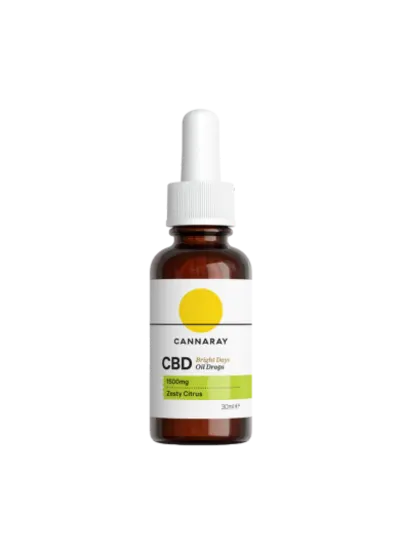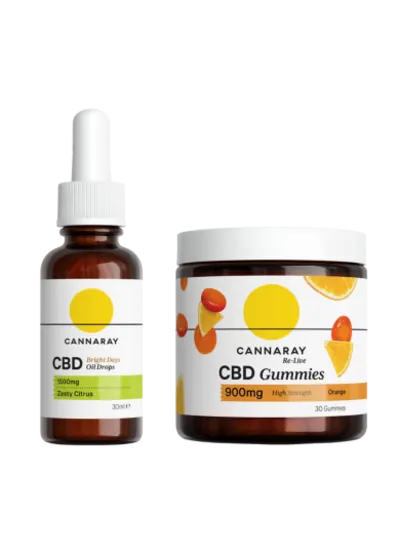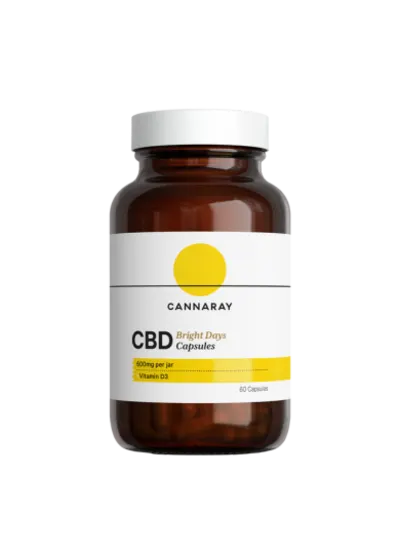


To choose a high-quality CBD product, look for independent batch testing, clearly stated CBD content, transparent ingredients, appropriate UK regulatory status and a trusted retailer that avoids unrealistic health claims. The best product is not necessarily the one with the biggest number on the label; it is the one that gives you enough reliable information to make an informed choice.
CBD oils, gummies and capsules can look very similar online, but quality and transparency can vary considerably. Whether you are buying CBD for the first time or reviewing your current routine, the following seven checks can help you compare products with confidence.
1. Look for independent, batch-specific lab reports
Independent laboratory testing is one of the most useful ways to assess a CBD product. The resulting document is often called a certificate of analysis, or COA.
A useful COA should identify the product or batch and show how much CBD was detected. It should also report relevant cannabinoids, including controlled cannabinoids such as THC, at the laboratory’s stated detection limits. Depending on the product and the scope of testing, reports may also cover contaminants such as pesticides, heavy metals or residual solvents.
Do not stop at a badge saying “lab tested”. Check whether you can actually view the report and whether its product name or batch number matches what you intend to buy. A current, traceable report is more meaningful than a generic certificate with no clear connection to the item.
Cannaray publishes its CBD lab reports, allowing shoppers to review the CBD content and purity testing behind its products. This is the kind of accessible evidence worth looking for from any CBD brand.
2. Check the amount of CBD—not just the size of the bottle
CBD strength can be confusing because labels may use percentages, milligrams or both. The key figure is the amount of CBD, rather than the total amount of hemp extract or the volume of oil.
For example, two products can both come in a 30 ml bottle but contain very different amounts of CBD. Likewise, a large milligram figure on the front of a pack may refer to the entire product rather than one serving.
Before buying, check:
-
the total CBD in the bottle or pack;
-
the CBD per drop, gummy, capsule or recommended serving;
-
the number of servings in the pack; and
-
the recommended maximum daily amount.
This makes it easier to compare like for like and understand what you are paying for. It also helps you monitor your total daily intake if you use more than one CBD format.
3. Read the complete ingredient list
A CBD product contains more than CBD. Oils usually include a carrier oil, while gummies may contain sweeteners, flavourings and gelling agents. Some formulas also combine CBD with vitamins, botanicals or other active ingredients.
Choose a format that suits your preferences and dietary requirements. Check for allergens and look for clear information about whether the product is vegan, sugar-free or flavoured if those features matter to you.
Extra ingredients are not automatically a sign of better quality. What matters is that each ingredient is declared clearly and that the formula makes sense for the product. Transparency is more useful than a long list of fashionable ingredients.
4. Check the product’s status on the FSA public list
In the UK, ingestible CBD products are treated as novel foods. For products sold in England and Wales, the Food Standards Agency maintains a public list of CBD products linked to novel food applications. The FSA advises that products not on the relevant list should be removed from sale, unless they have been authorised through the appropriate process.
The list is an important regulatory check, but it is not a ranking of the “best” CBD products and inclusion should not be treated as a blanket endorsement. Use it alongside laboratory reports, accurate labelling and the other checks in this guide.
When reviewing an entry, pay attention to the exact product and linked application rather than relying only on the brand name.
5. Be cautious of medical promises
CBD products sold as foods or supplements should not be presented as medicines unless they have the appropriate medicines authorisation. Be wary of any retailer promising that an everyday CBD oil or gummy will diagnose, prevent, treat or cure a health condition.
High-quality brands tend to use measured language. They explain what the product contains, how to use it and the role it may play in a general wellness routine without presenting it as a substitute for medical care.
If a claim sounds too good to be true, it probably deserves closer scrutiny.
6. Choose the right format for your routine
Quality matters, but so does usability. A well-made product will not be helpful if the format does not fit naturally into your day.
-
CBD oils offer flexibility, but require you to measure the serving accurately.
-
CBD gummies provide a pre-measured amount and are convenient when you are away from home.
-
CBD capsules are discreet, familiar and easy to add to an established supplement routine.
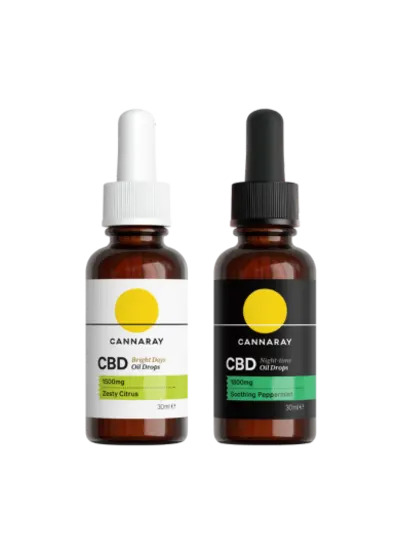
There is no single best format for everyone. Compare the CBD per serving, ingredients, instructions and cost per serving—not just the headline price. Cannaray offers CBD oils, gummies and other formats, making it easier to choose based on routine rather than hype.
7. Review the safety information before use
The UK Food Standards Agency currently advises healthy adults to limit CBD from food products to 10 mg per day in total. That total includes every CBD food or supplement used during the day, rather than 10 mg from each individual product. You can read the latest FSA consumer guidance on CBD before starting or changing a routine.
The FSA also advises against CBD use for people in certain groups, including those who are pregnant or breastfeeding, trying to conceive, immunosuppressed or taking medication. If you take regular medication or have an existing health condition, speak to an appropriate healthcare professional before using CBD.
Always follow the product label. More is not automatically better, and a very high-strength product is not necessarily a higher-quality one.
Red flags when buying CBD online
Pause before purchasing if you notice any of the following:
-
no accessible laboratory report;
-
no clear amount of CBD per serving;
-
a batch number that cannot be matched to a COA;
-
vague or incomplete ingredients;
-
promises to cure pain, anxiety, insomnia or another condition;
-
no UK contact information or customer-support details;
-
unclear subscription, delivery or returns terms; or
-
an unusually low price with no explanation of sourcing, testing or formulation.
Price alone does not prove quality. A better comparison is the evidence supplied by the brand, the CBD per serving and whether the product is straightforward to use correctly.
So, what makes a CBD product high quality?
A high-quality CBD product gives you confidence before you open the pack. You should be able to confirm what it contains, how much CBD a serving provides, how the batch was tested, how the product should be used and who should avoid it.
At Cannaray, this approach is built around clearly labelled CBD formats and independently tested batches, with lab reports available online. Explore the Cannaray CBD range to compare oils, gummies and other options for your routine.
Frequently asked questions
How can I tell if CBD is high quality?
Start with a recent, independent and batch-specific lab report. Then confirm that the CBD amount on the report is consistent with the label, review the cannabinoid results, read the full ingredient list and check the product’s UK regulatory position.
Does a higher CBD strength mean better quality?
No. Strength describes how much CBD a product contains; it does not prove purity, accuracy or manufacturing quality. A lower-strength product with clear lab evidence and accurate instructions may be a more suitable choice than a stronger but poorly documented one.
What should a CBD lab report show?
At minimum, it should identify the tested sample or batch and report its CBD and relevant cannabinoid content. The laboratory, test date, methods or detection limits should also be identifiable. Some reports include additional screening for contaminants.
What is the best type of CBD for beginners?
There is no universal best format. A product with a clearly defined amount per serving is often easier to understand. Gummies and capsules provide pre-measured servings, while oils allow more flexibility. Whichever format you choose, follow the label and current FSA advice.
Can I trust a product simply because it says “THC-free”?
Treat this as a claim to verify, not proof by itself. Look for an independent batch report showing the laboratory result and its detection limits, and confirm that the specific product meets applicable UK requirements.
Is CBD the same as hemp seed oil?
No. Hemp seed oil is produced from hemp seeds and does not naturally provide meaningful CBD. It may be used as a carrier oil in a CBD formula, but the label should state the actual amount of CBD separately.