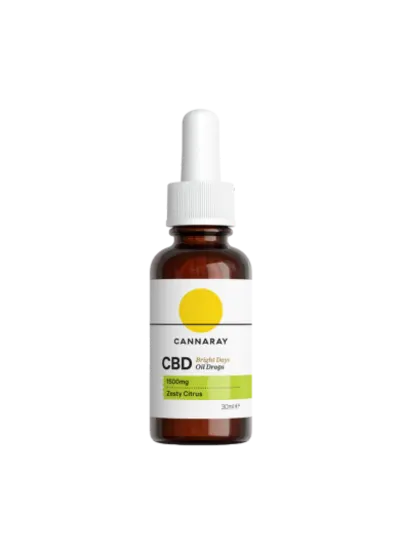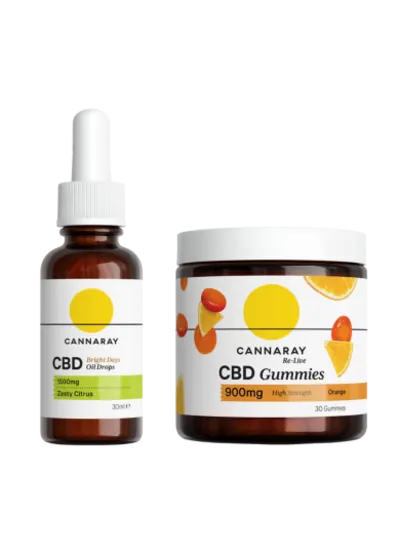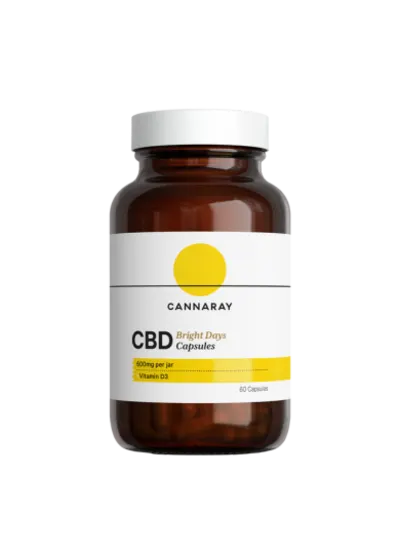


Yes, consumers can buy CBD products in the UK, but not every product containing CBD is automatically lawful. Pure cannabidiol, better known as CBD, is not itself a controlled drug. However, the legal position of a finished CBD product depends on what it contains, how it is made, how it is marketed and which product regulations apply.
For edible products such as CBD oils, gummies and capsules, businesses must also follow novel-food rules. Products containing controlled cannabinoids, including THC, are subject to UK drugs legislation unless they meet a relevant exemption. Products marketed for a medical purpose may need to be authorised as medicines.
In short: CBD can be legal to buy, but the product must have a lawful route to market. Here is what UK shoppers should understand before placing an order.
Why is the answer not simply yes or no?
CBD is one of many cannabinoids associated with the cannabis plant, but it is not the same substance as THC. THC is associated with the intoxicating effects of cannabis and is controlled under UK drugs legislation. Pure CBD, as an isolated substance, is not controlled.
The complication is that finished CBD products may contain other cannabinoids alongside CBD. According to the Home Office guidance on cannabis, CBD and other cannabinoids, products containing controlled cannabinoids may themselves be controlled unless they satisfy the legal definition of an exempt product or are covered by an appropriate licence.
That is why shoppers should assess the finished product rather than relying on the statement “CBD is legal”. Responsible brands use suitable formulations and provide independent laboratory evidence showing what their products contain.
Are CBD oils, gummies and capsules legal?
CBD oils intended to be swallowed, CBD gummies, capsules and CBD drinks are generally treated as foods or food supplements rather than ordinary cannabis products. However, CBD extracts and isolates used in foods are classed as novel foods in the UK.
A novel food is an ingredient or food without a significant history of consumption before the regulatory cut-off date. Novel foods require safety assessment and authorisation before they can be lawfully placed on the market.
In England and Wales, the Food Standards Agency maintains a public register of CBD products linked to novel food applications. The list includes products that meet the FSA’s criteria for remaining on the market while their linked applications progress. The FSA advises that products which should be on the list but are not should be removed from sale.
However, appearing on the public list is not the same as receiving full authorisation, and it is not a recommendation or quality ranking. Consumers should use it as one regulatory check alongside product labelling, batch testing and transparent business information.
Rules and regulatory routes vary within the UK. The FSA public list applies specifically to England and Wales. Scotland has its own guidance through Food Standards Scotland, while Northern Ireland follows its applicable regulatory arrangements. If you are a business rather than a consumer, take advice relevant to the territory in which the product will be sold.
What is the legal THC limit in UK CBD products?
You may have read that CBD is legal in the UK when it contains less than 0.2% THC. This is an oversimplification and can be misleading.
The 0.2% figure is commonly associated with rules surrounding approved low-THC industrial hemp varieties and cultivation. It should not be treated as a universal legal threshold for every bottle of CBD oil, jar of gummies or capsule pack sold to consumers.
THC and several other cannabinoids are controlled substances in the UK. The legal assessment of a finished CBD product depends on whether controlled cannabinoids are present and whether the product satisfies the conditions of the relevant exemption under the Misuse of Drugs Regulations 2001. This is more specific than simply calculating a percentage.
For consumers, the practical approach is to choose a brand that independently tests each batch and makes those results available. Cannaray publishes its CBD laboratory reports, which show the testing used to verify CBD content and Cannaray’s THC-free standard.
Can CBD products make medical claims?
An everyday CBD food supplement and a CBD-containing medicine are not the same thing.
The Medicines and Healthcare products Regulatory Agency states that products containing CBD which are used for a medical purpose are medicines. A medicinal product generally requires a marketing authorisation before it can legally be sold, supplied or advertised in the UK, unless a specific exemption applies.
This means an ordinary CBD oil, gummy or capsule should not claim to diagnose, prevent, treat or cure a disease or medical condition. Be cautious of products promising to cure anxiety, remove pain, treat insomnia or replace prescribed medication.
A responsible wellness brand should explain what its product contains and how to use it without presenting a food supplement as a medicine. Cannaray positions its consumer CBD products as part of an everyday wellness routine—not as a replacement for medical advice or treatment.
Is it legal to buy CBD online?
Yes, a qualifying CBD product can be bought online in the UK. The same product rules apply whether it is purchased through a website or in a physical shop.
Before buying online, check that the retailer provides:
-
a complete product and ingredient description;
-
the amount of CBD per product and per serving;
-
clear usage instructions and warnings;
-
independent, batch-relevant lab reports;
-
genuine UK business and contact information;
-
transparent delivery, returns and subscription terms; and
-
no unauthorised medical claims.
Buying from an overseas seller requires extra caution. A product marketed as legal in another country may not comply with UK drugs, food, customs or labelling rules. The fact that a website will ship a product to the UK does not prove that importing or possessing it is lawful.
Is CBD legal to travel with?
Owning a qualifying UK consumer product does not mean you can automatically take it into another country. CBD and controlled-cannabinoid rules vary significantly between destinations, and some countries prohibit products that are routinely available in the UK.
Before travelling, check the official rules for your destination and any transit countries. Keep the product in its original packaging and carry supporting documentation where appropriate. Do not rely solely on the retailer, an online forum or the product’s UK status.
Is CBD safe and legal for everyone to use?
Legality and suitability are different questions. A product can have a lawful route to market without being appropriate for every person.
The Food Standards Agency currently advises healthy adults to limit CBD from food and food supplements to 10 mg per day in total. The FSA advises against CBD for children and people who are pregnant or breastfeeding, trying to conceive or immunosuppressed. People taking medication or living with a health condition should seek advice from an appropriate healthcare professional before using CBD.
Read the latest FSA consumer guidance on CBD and always follow the label of the specific product.
How to check whether a CBD product is reputable
Legal compliance is the minimum standard, not the only measure of a good product. Before you buy, use this quick checklist:
-
Check the exact product’s regulatory status. For England and Wales, search the FSA CBD public list where relevant.
-
Read the batch lab report. Confirm that the product or batch can be matched to the report and review the cannabinoid results.
-
Check the CBD per serving. Do not rely only on a large milligram figure on the front of the pack.
-
Review the ingredients and warnings. Look for a complete label and clear daily-use instructions.
-
Avoid medical promises. A food supplement should not be advertised as a cure or treatment.
-
Choose an accountable retailer. Look for accessible customer service, delivery information and returns terms.
Cannaray combines clear product information with independently tested batches and publicly accessible reports. You can browse the Cannaray CBD collection and compare oils, gummies and other formats according to their ingredients, strength and place in your routine.
The bottom line: can you legally buy CBD in the UK?
Yes, consumers can buy qualifying CBD products in the UK. Pure CBD is not itself a controlled drug, but finished products must comply with all relevant rules. For edible CBD products, this includes novel-food requirements. Any controlled cannabinoids are subject to drugs legislation, while medicinal claims can bring a product within medicines law.
The safest purchasing decision is not based on the word “legal” printed on a product page. Look for clear labelling, suitable regulatory status, independent batch reports and a retailer that communicates responsibly.
Explore Cannaray’s lab-tested CBD range or view the brand’s independent laboratory reports before choosing your product.
Frequently asked questions
Is CBD oil legal in the UK?
CBD oil can be legally sold and bought in the UK when the finished product complies with all applicable requirements. These can include rules relating to novel foods, controlled cannabinoids, labelling and medicinal claims. Pure CBD itself is not controlled under the Misuse of Drugs Act 1971.
Are CBD gummies legal in the UK?
CBD gummies can be sold as food supplements when they have an appropriate route to market and meet the relevant food and drugs legislation. In England and Wales, shoppers can check whether an applicable product is linked to an application on the FSA public list.
Is CBD the same as cannabis?
No. CBD is an individual cannabinoid. Cannabis is the plant and is controlled under UK law, as are THC and several other cannabinoids. Pure CBD is not itself a controlled drug, but a CBD product may be controlled if it contains controlled substances and does not meet an applicable exemption.
Will legal CBD make you feel high?
CBD is not the cannabinoid normally associated with the intoxicating “high” produced by cannabis. A reputable consumer product should provide evidence of its cannabinoid content through appropriate batch testing.
Is CBD legal if it contains less than 0.2% THC?
The 0.2% figure does not provide a general legal test for finished CBD consumer products. It is commonly associated with licensed industrial-hemp cultivation. Finished products must meet the specific requirements applying to controlled cannabinoids and their product category.
Do I need a prescription to buy CBD?
You do not normally need a prescription to buy a compliant CBD food supplement or cosmetic. Cannabis-based medicines are a separate category and are subject to medicines and prescribing rules.
Can I take CBD abroad from the UK?
Not automatically. The law in your destination and transit countries may be different. Check official government or embassy guidance before travelling, even when the product was bought legally in the UK.