

The most effective non-medication approach for persistent insomnia is cognitive behavioural therapy for insomnia, known as CBT-I. Consistent wake times, morning daylight, regular activity and a calming evening routine can also support the body’s sleep–wake cycle. Supplements such as magnesium, valerian and CBD are popular, but the evidence is more limited and they are not proven cures for insomnia.
“Natural” can describe anything from daylight and exercise to herbal extracts and minerals. It does not automatically mean safe, effective or suitable for everyone. The right option depends on why sleep is difficult, how long the problem has lasted, current medication and whether an underlying condition is involved.
This guide ranks common natural sleep aids by the strength of their evidence and explains where Cannaray Sleep Wellness Powder, Magnesium Glycinate Capsules and CBD may fit into a responsible night-time routine.
1. CBT-I: the most effective non-medication option for insomnia
Cognitive behavioural therapy for insomnia is not a supplement, but it deserves the top position because it targets the patterns that can keep insomnia going.
CBT-I combines several practical techniques. These may include:
-
using the bed only for sleep and intimacy;
-
getting out of bed temporarily when lying awake becomes frustrating;
-
keeping a consistent wake time;
-
adjusting time in bed to rebuild sleep pressure;
-
challenging anxious thoughts about sleep; and
-
learning relaxation strategies.
NICE recognises CBT-I as the standard first-line treatment for long-term insomnia after sleep-hygiene advice. Digital programmes may also make CBT-I more accessible.
Unlike a sedating product, CBT-I is designed to retrain the relationship between bed, wakefulness and sleep. It takes effort and consistency, but its benefits can continue after the programme ends.
Best for: sleep problems lasting weeks or months, particularly when worry about sleep has become part of the problem.
2. A consistent wake time and morning daylight
The body’s circadian rhythm its internal 24-hour clock responds strongly to light and timing. Getting up at roughly the same time each day and seeing natural light in the morning can help reinforce when the body should be alert and when it should prepare for sleep.
Try to:
-
wake at a consistent time, including after a poor night;
-
get outside in daylight during the morning where possible;
-
avoid long or late naps; and
-
dim bright light and screens as bedtime approaches.
Morning light is particularly relevant during darker UK months. Someone with an eye condition, a condition affected by light or medication that increases light sensitivity should seek professional advice before using a bright-light device.
Best for: inconsistent schedules, late sleeping patterns and difficulty becoming sleepy at the desired time.
3. Regular daytime movement
Regular physical activity can support sleep, mood and general health. The best timing varies: some people sleep well after evening exercise, while others feel too stimulated by an intense late workout.
Walking, strength training, cycling, swimming or another enjoyable activity can all contribute. Consistency matters more than searching for a perfect “sleep workout”. If exercise is new or you have a medical condition, begin at an appropriate level.
Avoid treating exercise as punishment for a bad night. Exhausting yourself does not guarantee better sleep and may increase stress or injury risk.
Best for: adults looking for a broadly beneficial habit that supports sleep as part of overall health.
4. A predictable wind-down routine
A good evening routine does not have to be elaborate. Its purpose is to reduce stimulation and create a repeatable signal that the active part of the day is ending.
A practical routine might include:
-
finishing work and demanding tasks at a set time;
-
dimming lights and putting away stimulating screens;
-
preparing a warm, caffeine-free drink;
-
reading, stretching or using a breathing exercise; and
-
going to bed when sleepy rather than simply because the clock says so.
This is where a night-time supplement can have a supporting role. Preparing a consistent product can become part of the cue, but the ritual should not create anxiety or the belief that sleep is impossible without it.
5. Magnesium: popular, practical, but not a sleeping pill
Magnesium is an essential mineral involved in normal muscle and nerve function. It is frequently included in night-time supplements, but research on supplemental magnesium and sleep in the general population is limited and inconsistent.
Magnesium may be more relevant when dietary intake is low or a healthcare professional has identified a need. Food sources include nuts, seeds, wholegrains, beans and leafy green vegetables.
For a convenient supplement format, Cannaray Magnesium Glycinate Capsules combine magnesium glycinate with valerian root, vitamin D3 and zinc. They may suit someone who prefers a capsule as part of an established evening routine.
Check the elemental magnesium per serving and count magnesium from every supplement you use. Magnesium can interact with some medicines, including certain antibiotics and medicines for bone health, and high supplemental amounts can cause digestive effects.
Best for: someone who wants a convenient mineral-based night-time supplement and has reviewed total intake and interactions.
6. A blended sleep powder: a ritual-focused option
A multi-ingredient powder can combine supplementation with a comforting evening drink. Cannaray Sleep Wellness Powder is a sugar-free, chocolate-flavoured blend containing magnesium glycinate, valerian root extract, reishi mushroom, vitamin B6, vitamin D and zinc.
Its main practical advantage is the ritual: mixing a warm drink can create a deliberate transition into the evening. It also combines several ingredients in one product, which some people may prefer to buying separate supplements.
However, a blend is not automatically more effective than a single ingredient. Evidence for valerian in chronic insomnia is inconsistent, and evidence for reishi as a human sleep aid remains limited. Review each ingredient and avoid combining the powder automatically with other magnesium or valerian products.
Best for: someone who wants a chocolate-flavoured evening drink and a consistent wind-down cue.
7. Valerian root: traditional use with mixed evidence
Valerian has been used traditionally in night-time preparations, teas and capsules. Some people report that it helps them feel ready to wind down, but clinical trials have produced inconsistent results and its value for chronic insomnia has not been established.
“Herbal” does not mean interaction-free. Valerian may add to the effects of sedating medication. The NHS advises that it should not be combined with lorazepam because it can increase drowsiness. Ask a pharmacist before using it with sleeping tablets, sedating antihistamines, anxiety medicines or other treatments that cause drowsiness.
Best for: adults interested in a traditional botanical who have checked its suitability and understand the evidence limitations.
8. CBD: an optional wellness aid, not an insomnia treatment
CBD is a non-intoxicating cannabinoid available in oils, gummies and capsules. Some adults include it in a wider evening wellness routine, but consumer CBD products have not been established or authorised as treatments for insomnia.
Studies may use different formulations, doses and patient groups, so results cannot automatically be applied to shop-bought products. Brands should not promise that CBD will make someone fall asleep, keep them asleep or cure a sleep disorder.
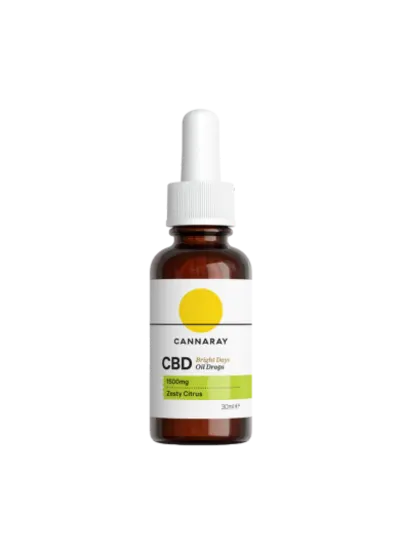
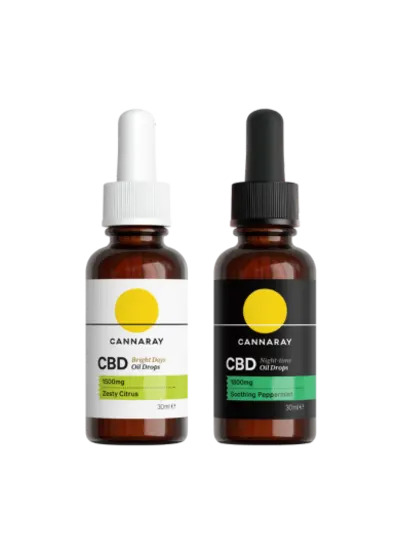
For consumers who independently choose CBD as a general wellness product, quality and serving clarity matter. Cannaray’s CBD collection offers several formats, and its independent CBD lab reports allow shoppers to review batch testing and Cannaray’s THC-free standard.
The Food Standards Agency currently advises healthy adults to consume no more than 10 mg of CBD per day in total from food and food supplements. CBD can interact with medication and is not advised by the FSA for certain groups.
Best for: informed adults who already understand CBD and want a measured general-wellness product within not instead of a healthy sleep routine.
9. Chamomile, lavender and aromatherapy
Chamomile tea, lavender scents and other forms of aromatherapy are widely associated with bedtime. Evidence that they treat insomnia is limited, but they can provide a pleasant sensory signal that it is time to slow down.
The ritual may be as valuable as the ingredient: making tea, dimming the lights and breathing slowly all reduce activity compared with scrolling or working in bed.
Check for allergies and use essential oils according to their instructions. Do not swallow essential oils or apply undiluted products to the skin unless a product is specifically designed for that use.
Best for: someone seeking a low-effort relaxation cue rather than a treatment.
What about melatonin?
Melatonin is a hormone produced naturally by the body, so it often appears in lists of “natural” sleep aids. However, synthetic melatonin is a prescription-only medicine in the UK, not an ordinary over-the-counter supplement.
The NHS says it is mainly used for short-term sleep problems in adults aged 55 and over, with specialist use in some other adults and children. Avoid ordering unverified melatonin gummies from overseas websites. If melatonin may be relevant, discuss it with a healthcare professional.
Natural does not always mean safe
Supplements and herbs can cause side effects, interact with medicines or duplicate ingredients already present in other products.
Before using one:
-
read the complete ingredient list;
-
check the amount per serving;
-
compare it with all existing supplements;
-
review warnings and allergens;
-
ask a pharmacist about medication interactions; and
-
avoid combining several drowsiness-promoting products without advice.
Do not combine Cannaray Sleep Powder and Magnesium Capsules automatically: both contain magnesium and valerian. Likewise, CBD should not be stacked across oils, gummies and capsules without counting the total daily CBD.
Build an effective natural sleep routine
A realistic routine can combine the strongest non-drug approaches with one carefully chosen product, if wanted.
Morning
-
Wake at a consistent time.
-
Seek natural daylight.
-
Move your body during the day.
Afternoon
-
Avoid caffeine late in the day.
-
Limit long or late naps.
-
Address unfinished tasks before evening where possible.
Evening
-
Reduce bright light and stimulating screens.
-
Keep alcohol away from bedtime; it may make you drowsy initially but disrupt sleep later.
-
Choose one simple wind-down cue, such as reading, breathing exercises or preparing a night-time drink.
-
Go to bed when sleepy.
During the night
-
Avoid repeatedly checking the time.
-
If you remain awake and frustrated, get up briefly and do something quiet in dim light before returning when sleepy.
The goal is not to perform a perfect routine. It is to repeat enough consistent cues that sleep becomes less of a nightly battle.
When natural sleep aids are not enough
Speak to a GP if changing sleep habits has not helped, sleep problems have lasted for months or poor sleep is affecting daily life.
Seek assessment if you have:
-
loud snoring, gasping or pauses in breathing;
-
extreme daytime sleepiness;
-
a persistent urge to move the legs at night;
-
significant anxiety, low mood or mood changes;
-
sleep disruption linked to pain or another symptom; or
-
problems that began after starting or changing medication.
These signs may need targeted assessment rather than another supplement. A GP can investigate possible causes and discuss CBT-I, medication review or referral to a sleep service.
The bottom line: which natural sleep aids are most effective?
For persistent insomnia, CBT-I has stronger evidence than any supplement. Consistent timing, morning daylight, daytime movement and a calm wind-down routine provide the most sensible foundation.
Supplements can be optional additions:
-
Choose Cannaray Sleep Wellness Powder if you prefer a multi-ingredient chocolate drink and want to build a preparation ritual.
-
Choose Cannaray Magnesium Glycinate Capsules if you prefer a convenient capsule and have checked your total magnesium intake.
-
Consider Cannaray CBD only as a general wellness product—not as a treatment for insomnia—and follow current FSA advice.
The most effective routine is usually the one that addresses the cause of poor sleep, is safe alongside your medication and can be repeated consistently without becoming another source of pressure.
Explore Cannaray’s wellness supplements or learn more about choosing high-quality CBD.
Frequently asked questions
What is the strongest natural sleep aid?
For persistent insomnia, CBT-I is the best-supported non-drug intervention. No over-the-counter herb or supplement has been shown to work reliably for everyone, and “strongest” can also mean a greater risk of drowsiness or interactions.
What can help me sleep naturally without medication?
A consistent wake time, morning daylight, regular daytime activity, reduced evening stimulation and CBT-I techniques can all help. A supplement can be an optional addition, but it should not replace these foundations.
Is magnesium an effective natural sleep aid?
Magnesium is essential for normal nerve and muscle function, but evidence that supplements improve sleep in the general population is mixed. It may be more relevant when intake is low or a healthcare professional has identified a need.
Does valerian help with sleep?
Valerian has a long history of traditional use, but clinical evidence for insomnia is inconsistent. It can also increase drowsiness when combined with sedating medicines.
Can CBD help you sleep naturally?
Some consumers use CBD in an evening wellness routine, but consumer CBD has not been established as an effective insomnia treatment. It can interact with medication and should be used within current FSA guidance.
Can I take several natural sleep aids together?
Do not assume that combining products is safer or more effective. Ingredients such as magnesium and valerian can be duplicated, while several products may increase drowsiness. Compare labels and ask a pharmacist when unsure.
How long should I try natural sleep remedies before seeing a GP?
Speak to a GP if sleep problems have lasted for months, changes to sleep habits have not helped or poor sleep is affecting daily life. Seek help sooner for breathing pauses, severe daytime sleepiness or other concerning symptoms.