

CBD short for cannabidiol is a naturally occurring cannabinoid found in the cannabis plant, including hemp. Unlike THC, CBD does not produce the intoxicating “high” associated with cannabis. Researchers believe CBD influences several signalling systems in the body, including the endocannabinoid system, but exactly how it produces every reported effect is still being studied.
CBD is now available in familiar formats such as oils, gummies and capsules. Yet the science and terminology surrounding it can make a straightforward question feel unnecessarily complicated.
This guide explains what CBD is, how it differs from THC, what the endocannabinoid system does and what consumers should understand before adding a CBD product to their routine.
What exactly is CBD?
CBD is one of the many chemical compounds known as cannabinoids. Cannabinoids occur naturally in the cannabis plant, but different varieties and products can contain very different cannabinoid profiles.
Most consumer CBD products are associated with hemp, a term commonly used for varieties of Cannabis sativa cultivated for permitted industrial purposes. CBD can be extracted and purified before being added to a carrier oil, gummy, capsule or another product format.
CBD is not the same as hemp seed oil. Hemp seed oil is made from the seeds of the plant and does not naturally contain meaningful amounts of CBD. It may be used as a carrier ingredient, but a genuine CBD product should state the amount of CBD separately on its label.
What is the difference between CBD and THC?
CBD and THC—short for tetrahydrocannabinol—are both cannabinoids, but they do not affect the body in the same way.
THC can activate cannabinoid receptors in the brain strongly enough to produce intoxication, altered perception and the “high” associated with cannabis. CBD does not act in the same direct way and is not considered intoxicating.
The differences also matter legally. Pure CBD is not itself controlled under the UK Misuse of Drugs Act 1971, while THC and several other cannabinoids are controlled substances. The legal status of a finished CBD product therefore depends on its complete composition and whether it complies with the relevant product rules.
For a deeper explanation, read Cannaray’s guide to CBD vs THC.
What is the endocannabinoid system?
The endocannabinoid system, often shortened to ECS, is a cell-signalling network found throughout the body. Scientists began describing it while investigating how cannabinoids interact with human biology.
The system includes three main components:
-
Endocannabinoids: signalling molecules made naturally by the body. “Endo” means within, so these are cannabinoids produced inside the body rather than taken from a plant.
-
Cannabinoid receptors: sites that receive or respond to cannabinoid signals. The two best-known are called CB1 and CB2.
-
Enzymes: proteins that create and break down endocannabinoids when they are needed.
Together, these components contribute to the regulation of several processes, including appetite, mood, memory, sleep, pain signalling and immune activity. It is often described as helping the body maintain homeostasis, meaning a relatively stable internal state.
This does not mean that every CBD product has been proven to improve all of these functions. It simply explains why cannabinoid signalling is being researched across many areas of human biology.
How does CBD work in the body?
The most accurate short answer is that CBD appears to work through several mechanisms rather than one single switch.
THC interacts strongly with CB1 receptors, which helps explain its intoxicating effects. CBD has relatively little direct affinity for the main binding sites of CB1 and CB2 receptors. Instead, laboratory and clinical research suggests that it may influence cannabinoid signalling indirectly and interact with other receptors, enzymes and chemical messengers.
Researchers have investigated CBD’s relationship with systems involved in serotonin signalling, transient receptor potential channels and the breakdown or availability of the body’s own endocannabinoids. However, the relevance of each mechanism depends on the dose, context and outcome being studied.
This is why claims such as “CBD switches on your endocannabinoid system” or “CBD replaces your natural cannabinoids” are too simplistic. The underlying pharmacology is more complex, and research into consumer-level doses and long-term use continues.
What happens after you take CBD?
After CBD enters the body, it must be absorbed, distributed and metabolised. The process varies according to the product format, formula, serving size, whether it is taken with food and individual biological differences.
-
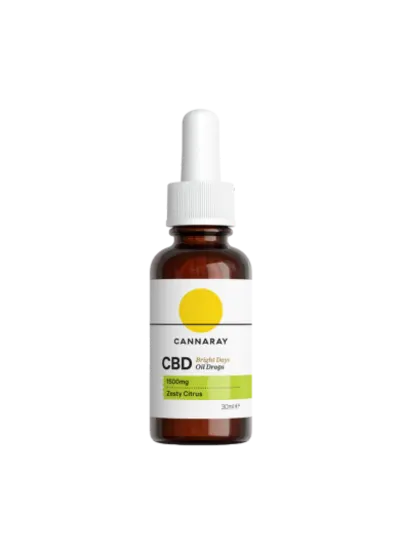
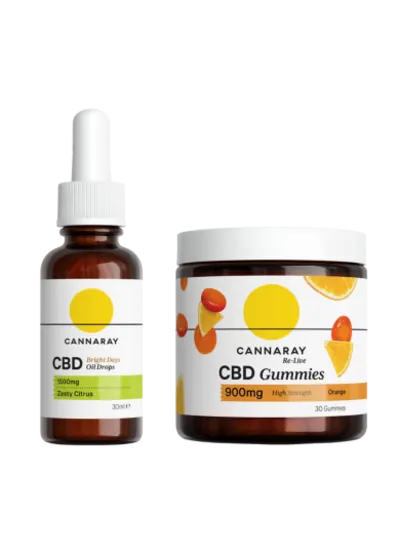
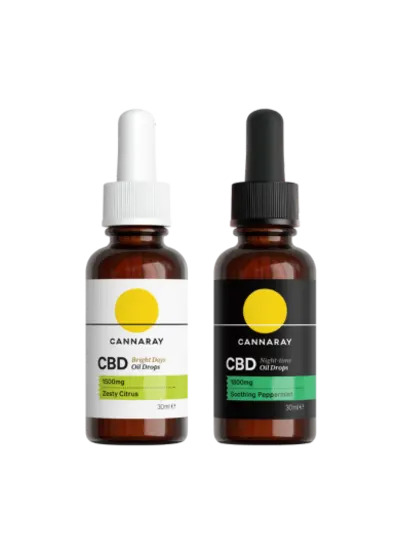
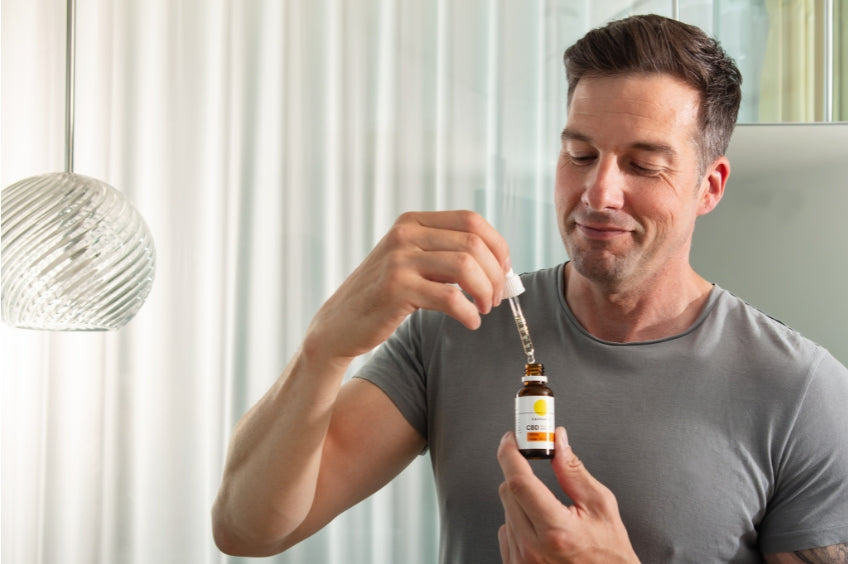
CBD oils allow the serving to be measured using a dropper and are often held in the mouth before swallowing according to the product instructions.
-
CBD gummies contain a defined amount in each gummy and pass through the digestive system.
-
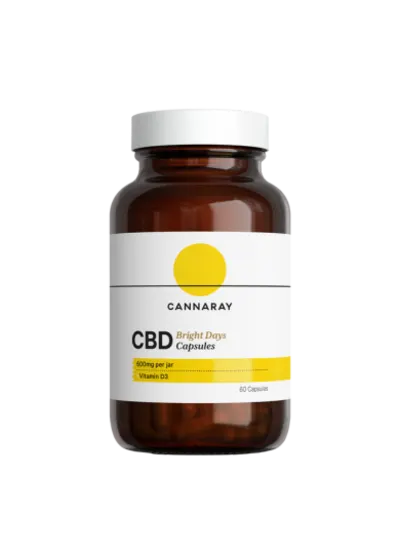
CBD capsules also provide a pre-measured serving and fit easily into an established supplement routine.
Products that are swallowed are processed through the digestive system and liver. This means the amount ultimately reaching circulation can differ from the number printed on the label. A higher labelled strength does not automatically mean a better product or a more noticeable experience.
There is no single format that is best for everyone. The most suitable option is one with a clearly stated serving, transparent ingredients and a format you can use consistently and correctly.
How quickly does CBD work?
There is no reliable universal timeframe. How quickly CBD is absorbed and whether someone notices anything can depend on:
-
the product format and formulation;
-
the amount consumed;
-
whether it is taken with food;
-
metabolism and body composition;
-
other medicines or supplements; and
-
what the individual expects to notice.
CBD does not necessarily create an immediate or obvious sensation. It is not intoxicating, and consumer experiences should not be confused with proof that a product is treating a health condition.
Always follow the product instructions rather than taking more simply because you do not notice an immediate effect.
What does CBD feel like?
CBD should not produce the cannabis “high” associated with THC. Some consumers describe CBD as a subtle part of their daily or evening wellness routine, while others report no noticeable feeling at all.
Experiences vary and can also be shaped by the product’s other ingredients. For example, a gummy or capsule may combine CBD with botanicals or nutrients, so it is not always possible to attribute a subjective experience to CBD alone.
Be cautious of brands guaranteeing a specific feeling or outcome. A responsible description should focus on the formula, serving information and intended place in a routine, not promise that everyone will respond identically.
Is CBD proven to have health benefits?
CBD is an active area of scientific and medical research. There are authorised CBD-containing medicines for specific medical uses, but these should not be confused with general CBD foods and supplements sold online or on the high street.
Evidence from a licensed medicine, which may use a particular purified ingredient and medically supervised dose, cannot automatically be applied to every consumer oil or gummy. Product composition, dose, quality and intended use can be very different.
In the UK, a consumer CBD food or supplement should not claim to diagnose, treat, prevent or cure a medical condition unless it has the appropriate medicines authorisation. If you are considering CBD because of a symptom or diagnosed condition, speak to a qualified healthcare professional rather than relying on marketing claims.
Is CBD safe for everyone?
No supplement is suitable for everyone. CBD can cause side effects and can interact with medicines. Reported concerns include tiredness, digestive symptoms, changes in appetite and potential effects on the liver, particularly depending on the amount and circumstances of use.
The UK Food Standards Agency currently advises healthy adults to consume no more than 10 mg of CBD per day in total from food and food supplements. The FSA advises against CBD for children and people who are pregnant or breastfeeding, trying to conceive or immunosuppressed. People taking medication or living with a health condition should consult an appropriate healthcare professional before using CBD.
Read the current FSA consumer guidance on CBD before beginning or changing a CBD routine.
How to choose a CBD product
Understanding how CBD works is only part of the decision. Product quality and transparency matter too.
Before buying, look for:
-
the exact amount of CBD per product and per serving;
-
independent, batch-specific laboratory testing;
-
cannabinoid results, including testing relevant to controlled cannabinoids;
-
a complete ingredient list;
-
clear instructions and safety warnings;
-
appropriate UK regulatory status; and
-
realistic language without promises to cure or treat conditions.
Cannaray independently tests its CBD batches and publishes its CBD laboratory reports, helping customers verify product content and Cannaray’s THC-free standard. Its CBD collection includes oils, gummies and other formats with clearly stated CBD quantities, so shoppers can compare products according to their preferred routine.
You can also read our complete guide to choosing a high-quality CBD product before deciding which format is right for you.
The bottom line
CBD is a non-intoxicating cannabinoid found in the cannabis plant. It differs from THC and appears to influence several biological signalling pathways, including aspects of the endocannabinoid system. However, its actions are complex and research is ongoing—especially when it comes to the lower doses commonly found in consumer foods and supplements.
The best approach is to separate established facts from marketing promises. Choose a transparent, independently tested product, follow the label and current FSA advice, and consult a healthcare professional when medication or a health condition is involved.
Explore Cannaray’s lab-tested CBD products or review the independent batch reports to learn more about what is inside each formula.
Frequently asked questions
What does CBD stand for?
CBD stands for cannabidiol. It is one of the cannabinoids found in Cannabis sativa, including hemp varieties.
Does CBD get you high?
CBD itself is not intoxicating and does not produce the high associated with THC. Because finished products can vary, choose products supported by appropriate independent cannabinoid testing.
How does CBD interact with the endocannabinoid system?
CBD does not strongly activate CB1 receptors in the way THC does. Research suggests it may influence cannabinoid signalling indirectly while also interacting with other receptors, enzymes and signalling pathways. Its complete mechanism is still being investigated.
Is CBD the same as hemp oil?
Not necessarily. Hemp seed oil is made from hemp seeds and does not naturally contain meaningful CBD. It can be used as a carrier oil, but the label should state how much cannabidiol has been added.
How long does CBD take to work?
There is no universal answer. Absorption and individual experience vary according to format, formulation, serving size, food intake, metabolism and other factors. Follow the label and do not exceed current safety guidance while waiting for an effect.
Does stronger CBD work better?
Not automatically. Strength states how much CBD is present; it does not prove quality or suitability. Laboratory evidence, accurate labelling, ingredients and serving guidance are better indicators of a well-made product.
Can CBD interact with medication?
Yes, CBD can interact with some medicines. If you take prescribed or regular medication, consult an appropriate healthcare professional before using a CBD product.