

There is currently not enough reliable evidence to conclude that over-the-counter CBD products provide effective pain relief. Some laboratory studies and clinical research have explored how cannabidiol may influence pain-related signalling, but results from cannabis-based medicines cannot automatically be applied to everyday CBD oils, gummies or capsules.
In the UK, ordinary CBD foods and supplements are not authorised painkillers and should not be advertised as treating pain. NICE does not recommend offering CBD to manage chronic pain in adults unless it is part of a clinical trial.
If pain is new, severe, persistent or worsening, speak to a healthcare professional rather than using CBD as a substitute for assessment or treatment.
Why is CBD associated with pain relief?
Pain is not a single experience with one cause. It can be acute or chronic and may arise from tissue damage, inflammation, nerve injury, illness or changes in how the nervous system processes signals. This complexity makes pain difficult to study and treat.
CBD, short for cannabidiol is a non-intoxicating cannabinoid found in Cannabis sativa. Researchers are interested in CBD because it appears to influence several receptors, enzymes and chemical-signalling pathways. These include aspects of the endocannabinoid system, which contributes to the regulation of pain signalling and other body processes.
However, a plausible biological mechanism does not prove that a shop-bought product provides meaningful pain relief. Laboratory findings must be tested in well-designed human trials using clearly defined formulations and doses.
You can read more about the underlying biology in our guide to what CBD is and how it works.
Does CBD help with pain?
The most responsible answer is: we do not yet have strong enough evidence to say that consumer CBD products reliably relieve pain.
Studies involving cannabinoids vary considerably. Researchers may investigate purified CBD, THC, combinations of CBD and THC, synthetic cannabinoids or whole-plant preparations. Participants may have different forms of pain, and studies can use doses far above those found in ordinary food supplements.
This makes broad statements such as “cannabis helps pain” or “CBD is a natural painkiller” scientifically misleading. A study of a prescription cannabis-based medicine containing THC and CBD does not establish that a THC-free CBD gummy will have the same effect.
NHS England states that the evidence for cannabis-based medicinal products for pain is not yet sufficiently developed. NICE guidance does not recommend CBD for chronic pain in adults outside a clinical trial. That conclusion reflects uncertainty about meaningful benefit, appropriate dosing, long-term effects and value compared with established care.
What does the research say about different types of pain?
Chronic pain
Chronic pain usually describes pain lasting longer than three months. It can involve biological, psychological and social factors, and treatment often requires more than one approach.
Some research into cannabis-based products has reported small improvements in pain scores, but NICE considered the observed benefit too modest relative to the costs and uncertainties to support routine use. Evidence specifically for CBD alone remains limited.
An over-the-counter CBD product should therefore not replace a personalised chronic-pain plan agreed with a GP, pharmacist, physiotherapist or specialist.
Neuropathic pain
Neuropathic pain is caused by damage or disease affecting the nervous system. Trials have investigated different cannabis-based medicines for this type of pain, but this category includes products containing THC as well as CBD.
The findings should not be generalised to all cannabidiol products. The balance of possible benefit and harm can depend on the precise formulation, dose and individual medical circumstances.
Joint and muscular discomfort
Consumers frequently search for CBD in relation to exercise recovery, aching joints and muscle discomfort. Much of the discussion online is based on personal testimonials, animal research or laboratory findings rather than strong clinical evidence for specific retail products.
A testimonial can describe one person’s experience, but it cannot rule out placebo effects, natural recovery, other treatments or changes in activity. It is not a substitute for a controlled trial.
Inflammatory pain
CBD is often described online as “anti-inflammatory”. While researchers have observed effects on inflammatory pathways in preclinical settings, this does not mean an everyday CBD supplement has been proven to treat inflammatory pain in people.
Inflammation can also signal an injury or underlying health condition. Persistent swelling, heat, redness, stiffness or pain should be assessed rather than self-diagnosed.
CBD supplements and medical cannabis are not the same
This distinction is essential when reading headlines about cannabinoids and pain.
Consumer CBD products such as oils, gummies and capsules are generally sold as foods or supplements. They are not intended to diagnose, treat or cure pain and should contain the amount and ingredients stated on the label.
Cannabis-based medicinal products are medicines used under medical supervision. They may contain CBD, THC or both in controlled formulations and doses. Some are licensed for specific conditions, but that does not mean they are routinely recommended for every type of pain.
The MHRA states that a CBD-containing product marketed for a medical purpose is considered a medicinal product. Unless an exemption applies, it requires marketing authorisation before it can legally be sold, supplied or advertised in the UK.
Claims such as “clinically proven pain relief”, “treats arthritis” or “replaces painkillers” should therefore be treated as red flags when attached to an ordinary CBD supplement.
What about CBD oil for pain?
CBD oil is one of the most commonly searched formats, but the word “oil” does not indicate medical effectiveness. Products can vary in:
-
CBD concentration and amount per serving;
-
cannabinoid profile;
-
carrier oil and other ingredients;
-
extraction and manufacturing methods;
-
independent testing; and
-
regulatory status.
A high-strength oil is not necessarily more effective or better quality. It may simply contain more CBD. Current UK consumer guidance also needs to be considered before comparing strengths or serving sizes.
If someone chooses to use a consumer CBD product as part of a general wellness routine, they should not regard it as a pain medicine. They should follow the label, avoid escalating the amount in pursuit of pain relief and continue any agreed care unless a healthcare professional advises otherwise.
Can topical CBD products relieve pain?
CBD balms and creams are applied to the skin and are regulated differently from edible CBD products. Although topical formats are often marketed towards active lifestyles or massage routines, evidence for CBD itself as an effective topical pain treatment remains limited.
The sensation associated with a balm may also come from massage or ingredients such as menthol, warming agents or essential oils. Do not apply topical products to broken or irritated skin unless the instructions specifically allow it, and stop using a product if irritation develops.
Again, an ordinary cosmetic or wellness balm should not claim to treat arthritis, injury or another medical condition without the appropriate authorisation.
CBD safety, side effects and interactions
CBD is not risk-free. Potential effects can include tiredness, digestive symptoms and changes in appetite. CBD can also interact with medicines because it may affect how the body processes certain drugs.
This is particularly important for someone already using pain medicines, anticoagulants, anti-seizure medicines or other regular treatments. Combining products without professional advice may change side effects or medicine levels.
The UK Food Standards Agency currently advises healthy adults to limit CBD from food and food supplements to 10 mg per day in total. The FSA advises against CBD for children and people who are pregnant or breastfeeding, trying to conceive or immunosuppressed. People taking medication or living with a health condition should seek advice from an appropriate healthcare professional before using CBD.
Read the latest FSA consumer advice on CBD before using a consumer product.
When should you seek help for pain?
Seek urgent medical advice for severe or sudden pain, pain following a significant injury, chest pain, breathing difficulty, new weakness or numbness, loss of bladder or bowel control, or pain accompanied by other worrying symptoms.
Arrange a non-urgent assessment if pain:
-
persists or repeatedly returns;
-
is getting worse;
-
interrupts sleep or normal activity;
-
requires frequent pain medicine;
-
is associated with unexplained weight loss, swelling or fever; or
-
is affecting mood or quality of life.
A healthcare professional can assess the cause and discuss evidence-based options. These may include medication, physiotherapy, movement, pacing, psychological support or specialist referral, depending on the type of pain.
How to assess a CBD product responsibly
While consumer CBD should not be presented as pain treatment, anyone considering CBD for general wellness should still choose carefully.
Look for:
-
a clearly stated amount of CBD per serving;
-
independent, batch-specific laboratory reports;
-
transparent cannabinoid and ingredient information;
-
appropriate UK regulatory status;
-
clear safety warnings and instructions; and
-
responsible language without disease or pain-treatment promises.
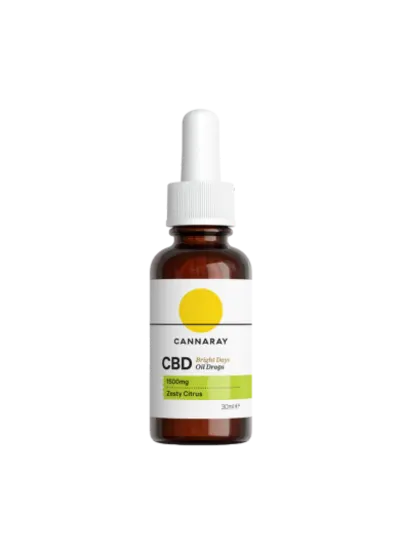
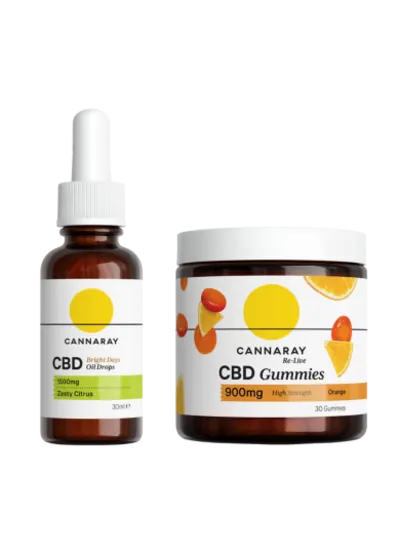
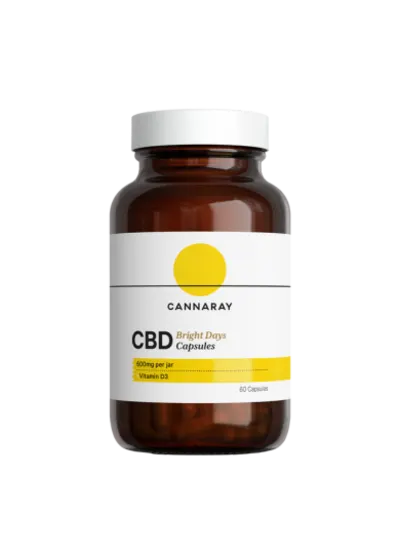
Cannaray independently tests its CBD batches and publishes its CBD laboratory reports. This allows consumers to verify product content and Cannaray’s THC-free standard. Cannaray CBD products are positioned for general wellness routines and should not be used as substitutes for pain assessment, prescribed medicines or professional care.
For a broader purchasing guide, read how to choose a high-quality CBD product.
The bottom line: should you use CBD for pain relief?
Current evidence does not establish over-the-counter CBD as a reliable pain-relief treatment, and UK guidance does not recommend CBD for chronic pain outside clinical research. CBD supplements and licensed cannabis-based medicines are different products and should not be treated as interchangeable.
If pain is persistent or concerning, seek medical advice. If you independently choose to use a CBD product as part of a general wellness routine, check its quality, follow the label and FSA guidance, and discuss it with a healthcare professional if you take medication or have a health condition.
Cannaray supports informed choices through clear product information and accessible independent laboratory reports, without presenting everyday CBD products as medicines.
Frequently asked questions
Is CBD a natural painkiller?
CBD comes from a plant, but “natural” does not mean it is an established painkiller. Over-the-counter CBD foods and supplements are not authorised pain medicines, and current evidence is insufficient to recommend CBD for chronic pain outside a clinical trial.
Does CBD oil help arthritis pain?
There is not enough high-quality evidence to conclude that consumer CBD oil treats arthritis pain. Arthritis has different causes and treatments, so ongoing joint pain, swelling or stiffness should be discussed with a healthcare professional.
What strength CBD is best for pain?
There is no established consumer CBD strength for treating pain. Choosing or increasing a dose specifically to treat pain turns the question into a medical one. Seek professional advice and follow current FSA guidance rather than assuming that stronger means more effective.
Is CBD better than ordinary painkillers?
Evidence does not support replacing recommended pain medicines with an over-the-counter CBD supplement. Do not stop or change medication without speaking to the healthcare professional responsible for your care.
Can I take CBD with pain medication?
CBD can interact with some medicines. Ask a pharmacist, GP or appropriate prescriber before combining CBD with prescription or regular pain medication.
Is medical cannabis prescribed for chronic pain in the UK?
Specialist doctors can prescribe certain cannabis-based medicinal products in limited circumstances, but access is restricted and they are not routinely recommended for chronic pain. Medical cannabis is not the same as a CBD supplement bought online.
Can CBD balm help sore muscles?
Evidence that CBD itself provides topical pain relief is limited. Massage and other ingredients can also influence how a balm feels. A cosmetic or wellness balm should not be treated as a medicine for injury or persistent pain.